

 KSh KES

Description
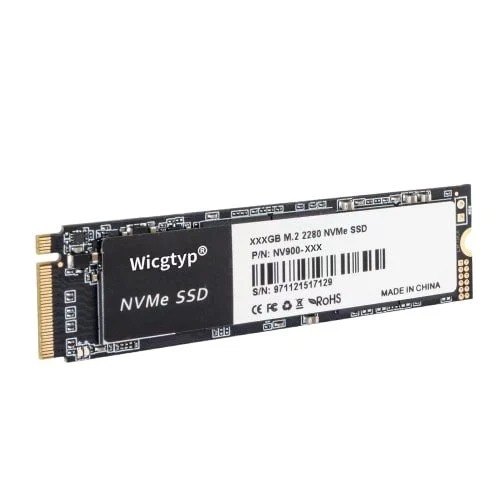
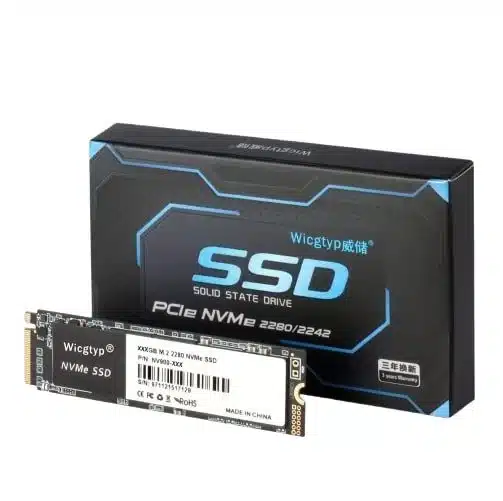
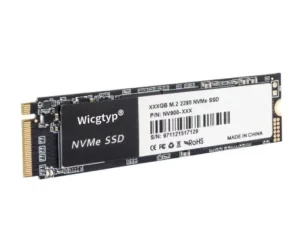
An 2280 M.2 NVMe 256GB SSD 2280mm is compact. It offers high-speed storage. This device suits modern computing needs.
Key Features:
Form Factor:
M.2 is slim and compact.1 It fits laptops and desktops. Small-form-factor devices also use it.
Interface:
NVMe offers superior speeds.2 It outperforms SATA SSDs.
Storage Capacity:
256GB SSD is suitable. Store operating systems here. Essential applications fit, too. Frequently used files load fast.
Performance:
Sequential read speeds reach 3,500 MB/s. Sequential write speeds hit 2,000 MB/s. It excels as a boot drive. It boosts systems with limited storage.
Popular Brands:
Samsung offers 980/970 EVO series.3 Kingston provides NV1 series. Crucial has P2 series.4 WD features Blue SN570.5
Pricing in Kenya:
An M.2 NVMe 256GB SSD costs KES 3,000-6,000. Price depends on brand and supplier.
Do you need help sourcing one? We can provide installation details. Ask about compatible systems.
NVMe is pronounced “m dot two.” Formerly, it was Next Generation Form Factor (NGFF). This specification defines expansion cards. It also covers associated connectors. NVMe 2280 SSD replaces mSATA. It also replaces Mini PCIe. This gives it the short name M.2. It offers flexible physical specifications. Different widths and lengths are possible. This suits ultrabooks and tablets.
Features:
It supports legacy SATA. It also supports PCI Express devices. AHCI and NVMe are logical interfaces. Modules integrate multiple functions. Wi-Fi, Bluetooth, and GPS are examples. NFC, digital radio, and WiGig fit. Wireless WAN and SSDs also connect.
SATA revision 3.2 standardizes SSD. It specifies hardware layout. Buses include PCIe 3.0 and SATA 3.0. USB 3.0 is also exposed. All standards offer backward compatibility.
Storage interfaces:
Three logical interface options exist. They depend on the storage device. Operating system support also matters.
Legacy SATA:
This uses SATA SSDs. It interfaces through AHCI drivers. A legacy SATA 3.0 port handles it.
PCI Express using NVMe:
This uses PCI Express SSDs. It interfaces through NVMe drivers. Provided PCI Express lanes handle data. This offers a high-performance interface. NVMe exploits hardware parallelism. It leverages low latency. It also uses enhanced PCIe SSD parallelism. NVMe benefits from fewer transfer stages. It boasts deeper command queues. More efficient interrupt processing occurs.
Form factors and keying:
The standard builds on mSATA. It uses the Mini PCIe form factor. SSD adds larger PCBs. This allows longer modules. Double-sided component population is possible.
Order your M.2 NVMe 256GB SSD 2280mm today. Visit Takashi shop.
Reviews
There are no reviews yet.