

 KSh KES

Description
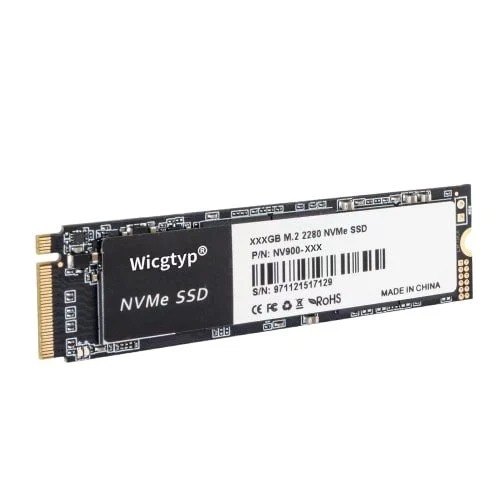
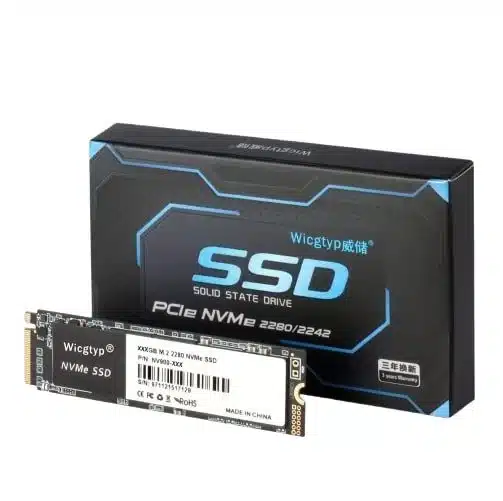
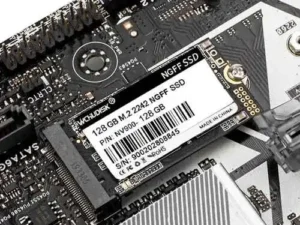
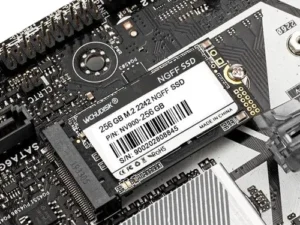
An M.2 NVMe 1TB SSD 2280mm is a compact, high-speed storage. It meets modern computing needs. This 1TB SSD is available in Kenya.
Key Features
The M.2 form factor is slim. It’s ideal for laptops and desktops. Small-form-factor devices also benefit. NVMe (Non-Volatile Memory Express) is its interface. It offers superior read/write speeds. This surpasses SATA SSDs significantly. The 1TB capacity is versatile. It stores operating systems efficiently. Essential applications load quickly. Frequently used files also fit well.
Performance Metrics
Sequential read speeds reach up to 3,500 MB/s. This varies by model. Sequential write speeds range from 500 MB/s to 2,000 MB/s. These SSDs are great for boot drives. They also handle light workloads. They are ideal for upgrading systems. Limited storage benefits greatly.
Popular Brands
Several popular brands offer these. Samsung provides the 980 or 970 EVO series. Kingston offers its NV1 series. Crucial features the P2 series. WD has the Blue SN570.
Pricing in Kenya
An M.2 NVMe 1TB SSD 2280mm typically costs KES 10,000 to KES 15,000. Price depends on brand and supplier. Takashi Limited can assist with sourcing. You can inquire about installation. Compatibility details are also available.
M.2 Standard Overview
M.2, formerly Next Generation Form Factor (NGFF), is a specification. It applies to internal expansion cards. It also defines associated connectors. M.2 NVMe 2280 SSD replaces mSATA and mPCIe standards. This is why it’s called M.2. It offers a flexible physical design. Different module widths and lengths are possible. It supports advanced interfacing features. This benefits ultrabooks and tablets.
Integrated Functions
M.2 modules integrate multiple functions. These include Wi-Fi and Bluetooth. Satellite navigation is possible. Near field communication (NFC) is supported. Digital radio and WiGig are included. Wireless WAN (WWAN) also works. Solid-state drives (SSDs) are a key class. The SATA revision 3.2 standard defines M.2 SSDs. It specifies their hardware layout. Buses exposed include PCIe 3.0. SATA 3.0 and USB 3.0 are also present. All these standards are backward compatible.
Storage Interfaces
Three logical device interfaces exist. They depend on the M.2 storage device. Operating system support also matters.
Legacy SATA
This option uses SATA SSDs. It interfaces via the AHCI driver. A legacy SATA 3.0 (6 Gbit/s) port is exposed. This port connects through the M.2 connector.
PCI Express using NVMe
This is for PCI Express SSDs. It interfaces through the NVMe driver. Provided PCI Express lanes are used. This is a high-performance interface. It’s optimized for PCIe SSDs. NVMe was designed from scratch. It leverages low latency. Enhanced parallelism of PCIe SSDs is utilized. It complements contemporary CPUs. Parallelism in host hardware benefits. Data transfers have fewer stages. Command queues are deeper. Interrupt processing is more efficient.
Form Factors and Keying
The M.2 standard builds on mSATA. mSATA uses the Mini PCIe form factor. It uses the existing connector. M.2 SSD allows larger PCBs. This enables longer modules. Double-sided component population is possible.
Availability
You can order an M.2 NVMe 1TB SSD from Takashi shop. Visit their Facebook Page for more. Contact them directly for details.

Reviews
There are no reviews yet.