

 KSh KES


Description
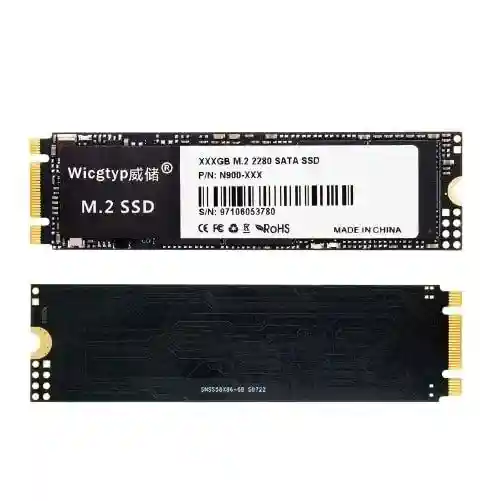
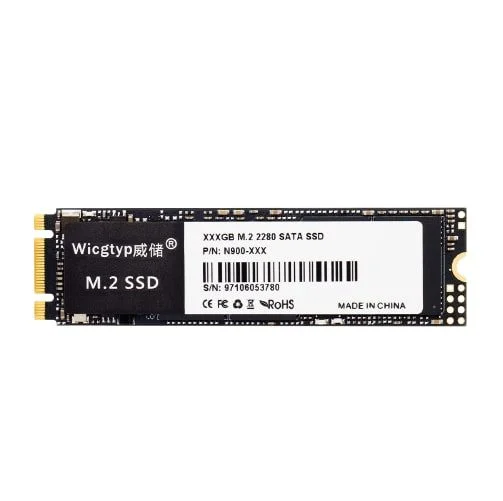
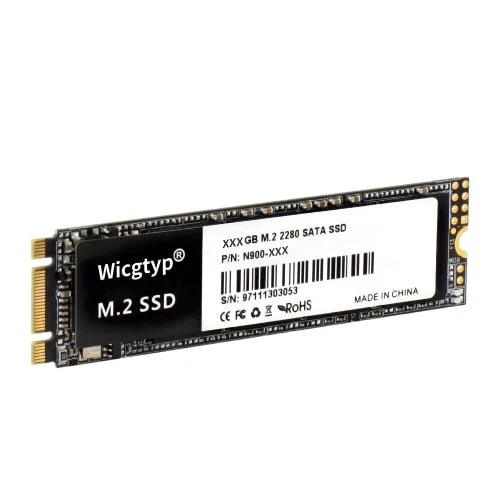
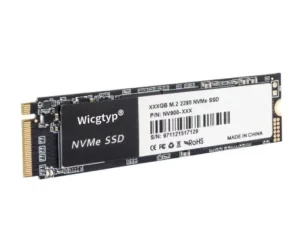
Boost your computer’s speed. An M.2 512GB 2280mm SSD delivers fast storage. This compact drive offers reliable performance. It fits perfectly in many systems. Laptops, desktops, and ultrabooks benefit.
Key Features
Discover its essential features. The M.2 form factor is slim. It saves valuable space inside your device. Interface options are crucial. NVMe (PCIe) provides high speeds. It ensures rapid read/write performance. SATA is more budget-friendly. However, it operates at lower speeds. This 512GB capacity is ideal. It perfectly handles your operating system. Essential applications load quickly.
Performance varies by type. NVMe models are incredibly fast. They reach read speeds up to 3,500 MB/s. Write speeds hit 2,000 MB/s. SATA models are more modest. They read at 550 MB/s. Write speeds are around 500 MB/s.
Applications
These drives are versatile. They are perfect for operating systems. Enjoy remarkably quick boot times. They handle light tasks effortlessly. Everyday computing becomes seamless.
Popular Brands
Many top brands offer these SSDs. Samsung provides the 970 EVO and 980 series. Kingston features the A2000 and NV1 series. WD has the Blue SN570 and Green series. Crucial offers its reliable P2 series.
Pricing
In Kenya, prices vary. An M.2 512GB SSD costs KES 6,000 to KES 8,000. Price depends on the brand. NVMe technology typically costs more.
Evolution of M.2
The M.2 standard is modern. It was once called “Next Generation Form Factor” (NGFF), replaced older mSATA and mPCIe standards. M.2 offers greater flexibility. Supports various module widths and lengths. This makes it ideal for smaller devices. Ultrabooks and tablets benefit immensely.
Features
M.2 modules integrate many functions. These include Wi-Fi and Bluetooth. Satellite navigation is possible. NFC and digital radio can be included. WiGig and WWAN are supported. Solid-state drives are its core use.
The SATA revision 3.2 specification standardized M.2 SSDs. This happened in August 2013. It defines the hardware layout. The connector exposes several buses. These include PCI Express (PCIe) 3.0 and newer. Serial ATA (SATA) 3.0 is also supported. USB 3.0 offers additional connectivity. All these standards are backward compatible.
Storage Interfaces
Three main interface options exist. Legacy SATA works with SATA SSDs. It uses the AHCI driver. It connects via a legacy SATA 3.0 port.
PCI Express uses NVMe. This is for PCIe SSDs. The NVMe driver handles communication. It leverages dedicated PCI Express lanes. NVMe is a high-performance interface. It is optimized for PCIe SSDs. NVMe’s design minimizes latency. It enhances parallelism significantly. This complements modern CPUs and applications. NVMe offers clear advantages over AHCI. It allows fewer data transfer stages. Command queues are much deeper. Interrupt processing is highly efficient.
Form Factors and Keying
The M.2 2280 SSD standard evolved from mSATA. It uses the existing Mini PCIe form factor. M.2 allows larger circuit boards (PCBs). This enables longer modules. Double-sided component population is also possible.
You can order your M.2 2280 SSD from Takashi shop. Visit their Facebook page for more. Contact us directly for assistance.


Reviews
There are no reviews yet.